Smart Door Lock Market Unlocking the Future of Home Security
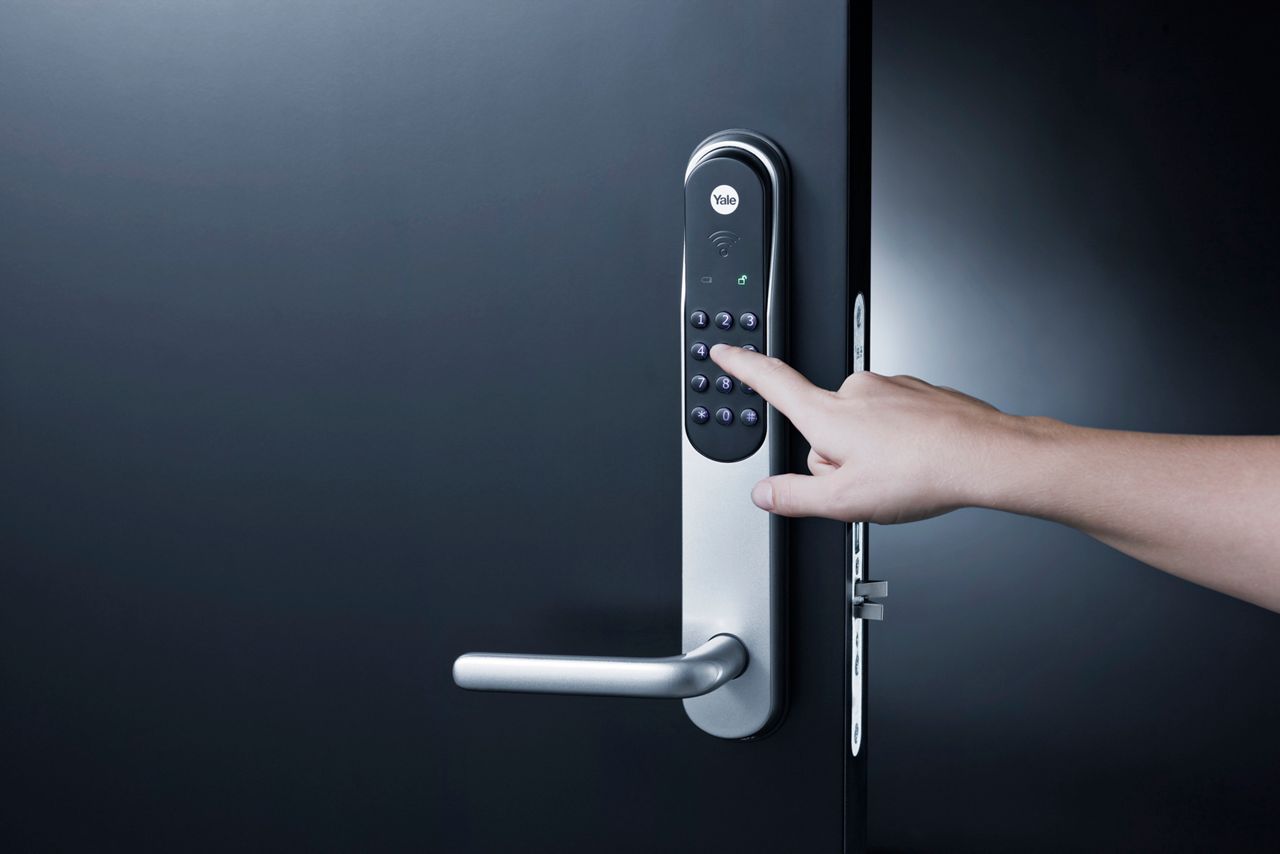
The global Smart Door Lock Market is undergoing rapid transformation as consumers and businesses increasingly seek convenience, connectivity, and enhanced security. Driven by advancements in Internet of Things (IoT) technology and rising concerns over residential and commercial safety, the market has witnessed significant growth. As urbanization accelerates and smart homes become the norm rather than the exception, the demand for smart locks is expected to soar in the coming years.
Market Overview
The Smart Door Lock Market was valued at US$ 2.1 billion in 2023 and is projected to reach US$ 7.2 billion by 2031, growing at a CAGR of 16.7% from 2023 to 2031. This growth is fueled by increasing consumer awareness, integration with home automation systems, and the rise of mobile-enabled security solutions.
Smart locks provide remote access control, real-time monitoring, and customized entry permissions, making them popular across residential, commercial, and hospitality sectors. These systems offer multiple unlocking methods—such as biometric recognition, PIN codes, RFID, and smartphone apps—replacing traditional mechanical locks with more intelligent alternatives.
Key Market Drivers
- Rising Smart Home Adoption
The proliferation of smart homes is a pivotal driver for the smart door lock market. Consumers now demand connected devices that simplify their lives while enhancing security. Smart door locks are integral components of home automation ecosystems, often integrated with systems like Amazon Alexa, Google Assistant, or Apple HomeKit.
- Growing Security Concerns
Security remains a top priority for households and businesses alike. With increasing reports of theft, intrusion, and unauthorized access, traditional locks are no longer sufficient. Smart locks allow homeowners to monitor entries in real time, receive alerts, and even grant or revoke access remotely—addressing both safety and convenience.
- Technological Advancements
Modern smart locks offer cutting-edge features such as voice control, geofencing, facial recognition, and two-factor authentication. These technological upgrades continue to improve functionality and user experience, driving adoption across diverse sectors.
- Work-from-Home & Airbnb Boom
The rise in remote work and short-term rentals (e.g., Airbnb) has accelerated the need for flexible, secure access control. Property owners prefer smart locks to avoid the hassle of physical keys and to offer time-bound access codes to guests or service providers.
Segmentation Analysis
By Type:
- Deadbolts dominate the market due to their wide application in residential spaces.
- Lever Handles and Padlocks are gaining traction in commercial and institutional settings.
By Connectivity:
- Bluetooth and Wi-Fi are the most widely used technologies, offering remote access and integration with smart devices.
- ZigBee/Z-Wave based locks are growing in popularity in smart home ecosystems due to their lower power consumption.
By End-User:
- Residential segment holds the largest market share, driven by increasing consumer interest in smart living.
- Commercial applications, especially in co-working spaces, offices, and retail, are witnessing steady growth.
- The hospitality sector is also embracing smart locks to offer keyless check-in and enhanced guest experiences.
Regional Insights
North America leads the global smart door lock market, supported by widespread smart home adoption, high disposable incomes, and early technological adoption. The Asia-Pacific region, particularly China, Japan, and South Korea, is expected to witness the fastest growth due to increasing urbanization and government-backed smart city initiatives.
In Europe, growing awareness about energy efficiency and smart infrastructure is boosting demand, especially in countries like Germany, the UK, and France.
Competitive Landscape
The market is characterized by intense competition and continuous innovation. Major players include:
- ASSA ABLOY
- Allegion plc
- August Home (owned by Yale)
- Samsung SDS
- Schlage (Allegion)
- Kwikset (Spectrum Brands)
- Dormakaba Group
- Haven Lock Inc.
These companies are investing heavily in R&D to offer compact, affordable, and highly secure smart lock systems. Strategic partnerships, product launches, and geographical expansion are common growth strategies.
Future Outlook
As technology continues to evolve and consumers seek more seamless living experiences, the smart door lock market is poised for exponential growth. Integration with AI, cloud computing, and blockchain-based access logs could be the next frontier in smart lock evolution. Additionally, increasing awareness about cybersecurity and data privacy will shape product development and regulatory standards.
Conclusion
The Smart Door Lock Market stands at the intersection of innovation and necessity. From enhancing home security to enabling smarter access management for businesses, smart locks are becoming indispensable in a connected world. With strong market momentum and ongoing technological progress, this industry is expected to unlock unprecedented opportunities in the coming decade.
.jpeg)


Comments
Post a Comment