Vacuum Blood Collection Tube Market: Advancing Diagnostic Efficiency and Patient Safety
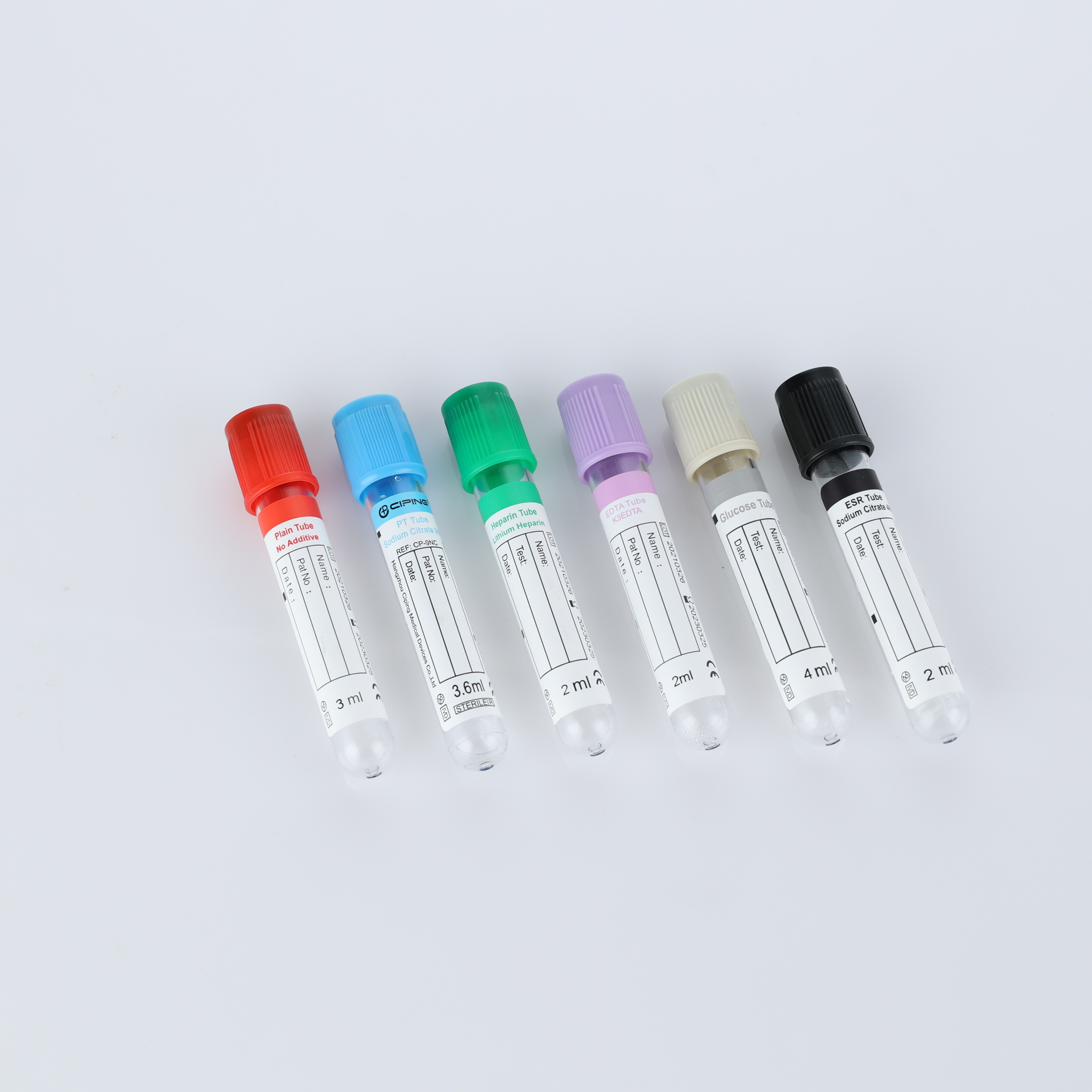
The vacuum blood collection tube market has become a cornerstone of modern diagnostic medicine, driven by increasing healthcare demand, rising chronic disease prevalence, and advancements in laboratory automation. According to current projections, the market is expected to reach US$ 4,507.70 million by 2028, up from US$ 2,598.78 million in 2021, growing at a CAGR of 8.2% from 2021 to 2028.
Vacuum blood collection tubes are sterile, closed systems used for collecting and preserving blood samples for laboratory testing. These tubes offer enhanced safety, minimize contamination risk, Biochemical Test, and are essential in high-throughput laboratories, hospitals, and research institutions.
Market Dynamics
Rising Demand for Accurate Diagnostics
One of the primary drivers of the vacuum blood collection tube market is the growing demand for rapid and accurate diagnostic testing. The global surge in chronic diseases such as diabetes, cancer, and cardiovascular disorders has increased the need for timely diagnosis. Blood testing remains a fundamental tool in clinical diagnostics, and vacuum blood collection tubes ensure precision and safety in sample handling.
Growth in Geriatric and Chronic Disease Population
The aging population, particularly in developed nations, is expanding significantly. Older individuals are more likely to undergo regular blood testing, contributing to increased utilization of vacuum blood collection systems. In addition, rising global healthcare awareness and improved access to medical services are propelling the market forward.
Technological Advancements and Automation
Automation in diagnostic labs is further enhancing the vacuum blood collection tube market. Tubes with pre-added additives (e.g., EDTA, clot activator, heparin) are now standard for specific testing protocols. Additionally, integration with robotic handling systems and barcoded labeling has improved workflow efficiency and minimized human error.
Market Segmentation
By Product Type
- Gel & Clot Activator Tubes: Most commonly used for serum separation in routine blood tests.
- EDTA Tubes: Essential for hematological studies and complete blood count (CBC) testing.
- Heparin Tubes: Suitable for plasma biochemical assays.
- Glucose Tubes: Used to analyze blood sugar levels.
- Other Additive Tubes: Custom tubes for niche or research applications.
By Material
- Plastic: Lightweight, unbreakable, and increasingly preferred over glass.
- Glass: Still used for specific applications requiring higher chemical resistance.
By End User
- Hospitals & Clinics: Dominant users due to high patient volume.
- Pathology Labs: Heavily rely on vacuum tubes for accurate test results.
- Blood Banks & Research Centers: Use tubes for sample preservation and processing.
Regional Analysis
North America
North America leads the vacuum blood collection tube market, owing to robust healthcare infrastructure, high diagnostic testing rates, and strong presence of key players. The U.S. market dominates the region, supported by government initiatives promoting preventive care.
Europe
Europe ranks second in market share, driven by aging demographics and advanced public healthcare systems in Germany, France, and the UK.
Asia Pacific
APAC is the fastest-growing region due to expanding healthcare access, increased government spending, and growing awareness of safe blood collection practices in India, China, and Southeast Asia.
Competitive Landscape
The vacuum blood collection tube market is moderately consolidated with several global and regional players contributing to product innovation and supply chain scalability. Major companies include:
- BD (Becton, Dickinson and Company)
- Terumo Corporation
- Greiner Bio-One International GmbH
- FL Medical
- Improve Medical
- Chengdu Rich Science Industry Co. Ltd
- SARSTEDT AG & Co. KG
- Narang Medical Limited
These companies are focused on introducing advanced tubes with improved sterility, integrated safety caps, and compatibility with automated analyzers.
Challenges and Opportunities
Challenges
- Plastic Waste Management: Rising concerns around environmental sustainability challenge plastic tube disposal.
- Regulatory Barriers: Manufacturers must comply with stringent FDA and EU MDR regulations, especially regarding sample safety and chemical handling.
Opportunities
- Emerging Markets: Rapid infrastructure development in Latin America and Asia offers huge growth potential.
- Home Diagnostics: Increasing use of home-based test kits and telehealth is driving demand for compact, user-friendly collection tubes.
- Infectious Disease Monitoring: The post-COVID era has solidified regular blood testing as a key component of public health.
Future Outlook
The vacuum blood collection tube market is expected to evolve significantly over the coming years. Manufacturers are innovating with leak-proof closures, eco-friendly materials, and better traceability features to meet rising expectations in healthcare delivery.
As healthcare systems worldwide become more prevention-oriented and personalized, demand for high-quality blood collection tubes will continue to rise. The CAGR of 8.2% through 2028 reflects both the expansion of diagnostic services and increasing healthcare investments.
10 Short FAQs
- What is the projected value of the vacuum blood collection tube market by 2028?
US$ 4,507.70 million. - What was the market size in 2021?
US$ 2,598.78 million. - What is the expected CAGR from 2021 to 2028?
8.2%. - Which region currently leads the market?
North America. - What are the major types of vacuum blood collection tubes?
Gel & clot activator, EDTA, Heparin, Glucose, and others. - Which segment dominates by end user?
Hospitals and diagnostic clinics. - Who are the key market players?
BD, Terumo, Greiner Bio-One, FL Medical, SARSTEDT, and others. - Why is plastic preferred over glass?
Plastic tubes are lightweight, shatter-resistant, and cost-effective. - What challenges does the market face?
Regulatory compliance and environmental concerns. - What trends are shaping the market?
Automation, eco-friendly materials, and home diagnostics.
.jpeg)


Comments
Post a Comment